Notes from YC x Paris 2025
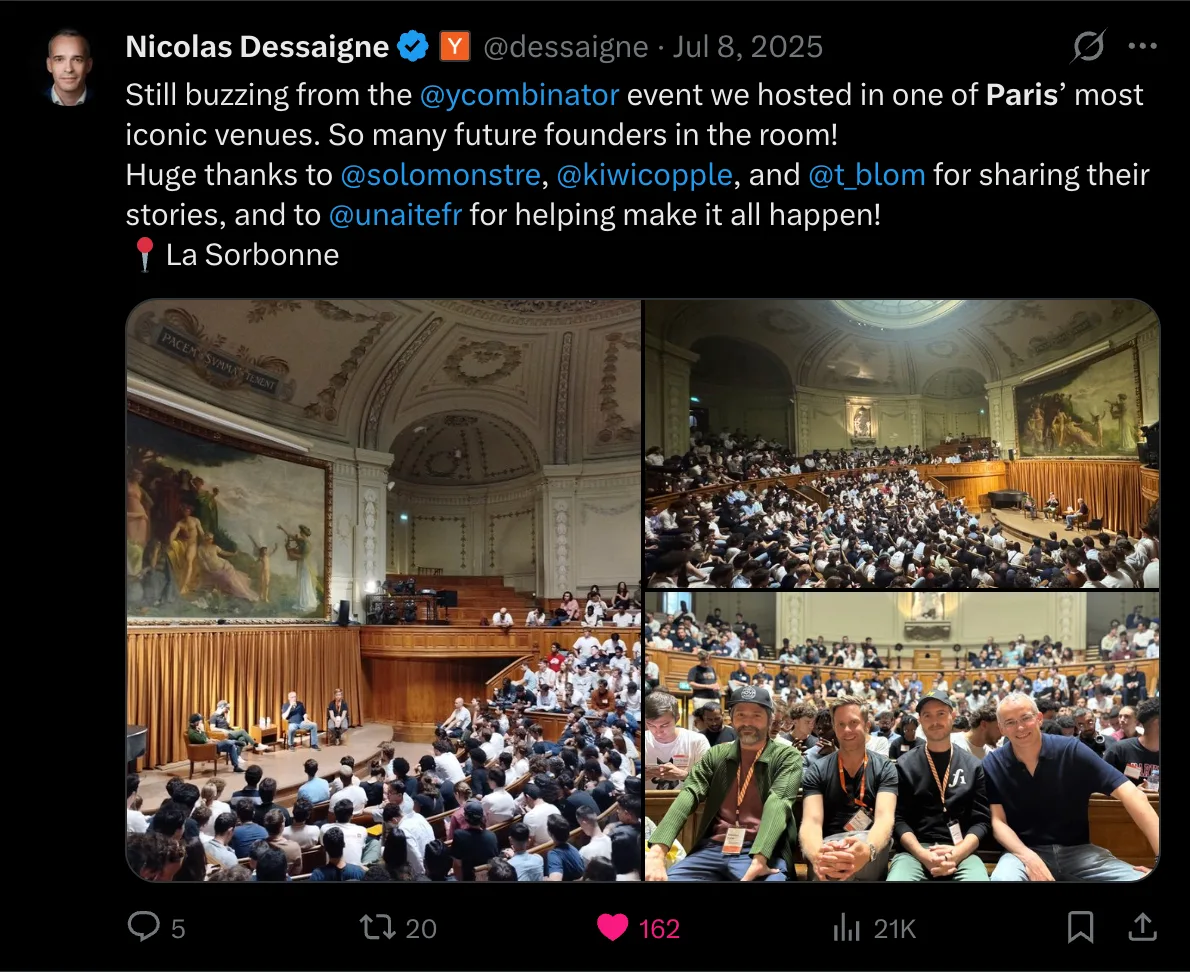
Last summer I attended YC x Paris, a Y Combinator event hosted at La Sorbonne ahead of the RAISE Summit.
On stage were Solomon Hykes (co-founder of Docker and Dagger), Paul Copplestone (co-founder of Supabase), Tom Blomfield (co-founder of Monzo and GoCardless, YC General Partner), and Nicolas Dessaigne (co-founder of Algolia, YC General Partner). I took notes throughout, and a year later they still hold up, so here they are, organized into themes.
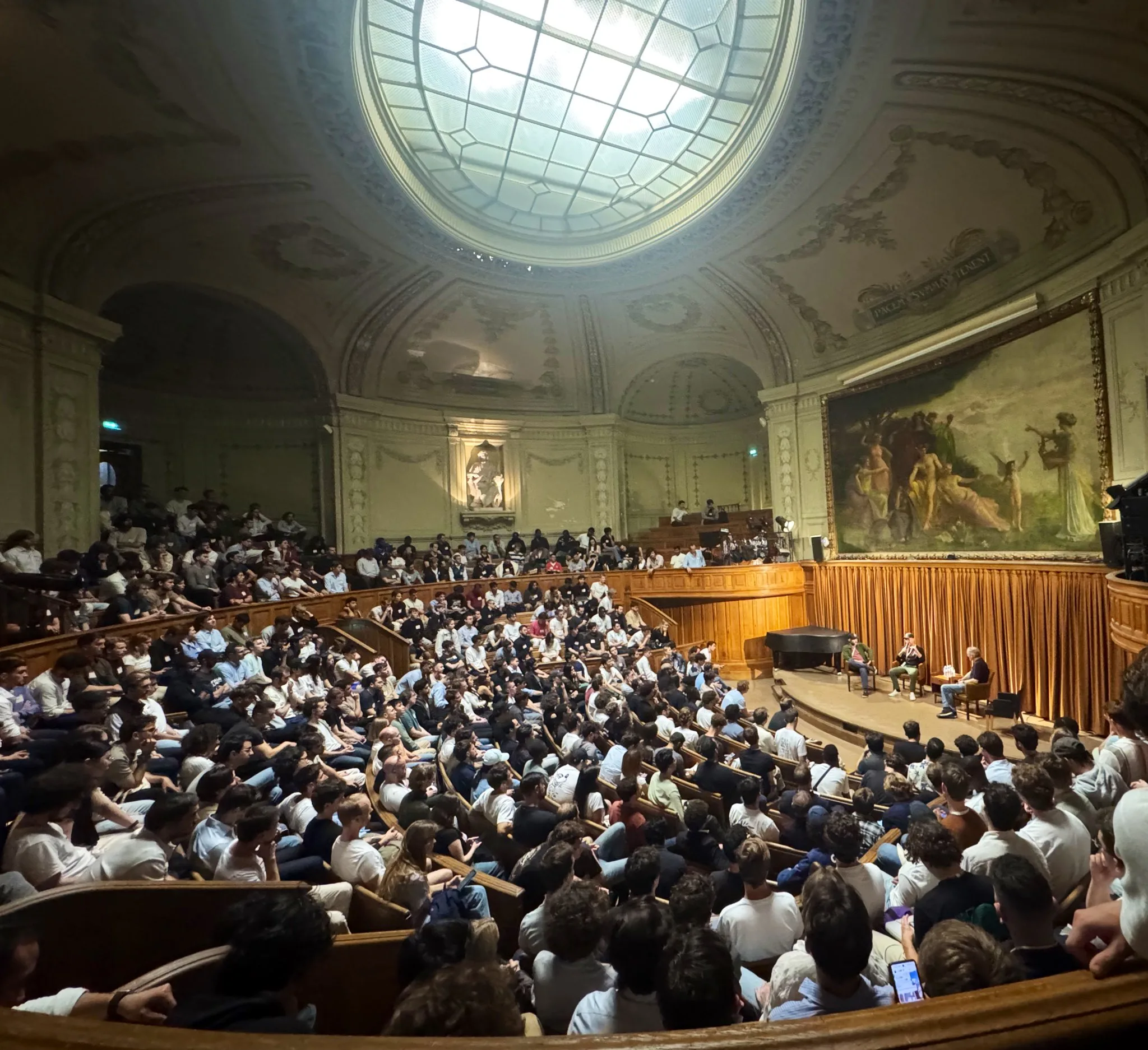
Startups die from giving up, not competition
Paul Copplestone opened with the point that building startups is hard: emotionally a rollercoaster, with very high tops and very low dips. The line that stuck with me, repeated more than once during the event: no startup dies because of competition; they die because the founders give up. The journey will not be linear. Resilience is the key, and it will define your success.
A related warning: imposter syndrome is real, especially in San Francisco. Be aware of it.
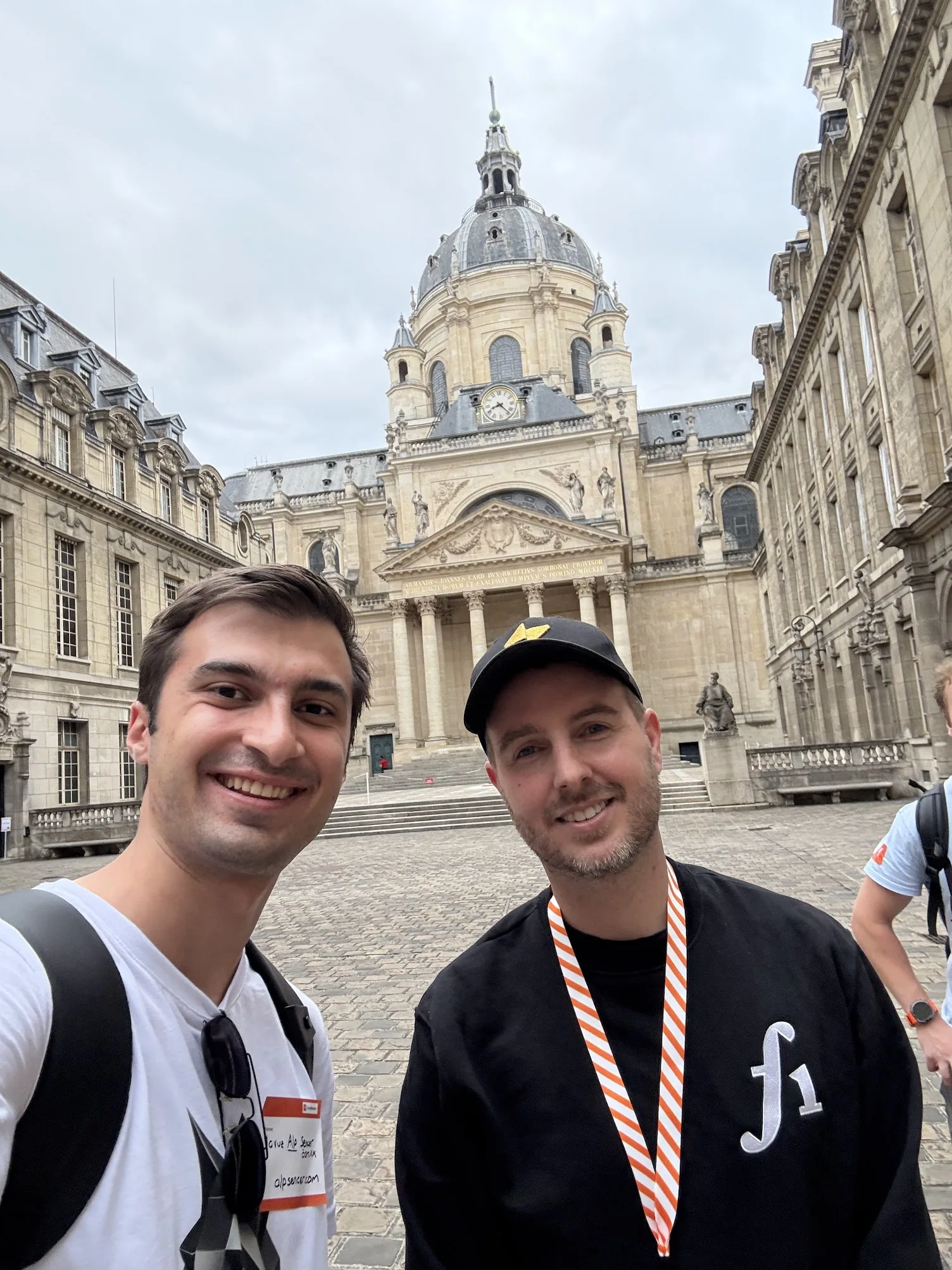
Pick the most ambitious thing you can
- Choose the most ambitious topic you can. It should motivate you, and ambition itself gives you an edge.
- Look at what is on the edge of AI: things that are almost possible but not quite. Build for that before it arrives.
- Don’t wait for the perfect idea. It never comes.
- YC keeps a list of red-flag application ideas. Interestingly, most of them are good features; they just aren’t products, so they can’t be monetized on their own.
- One concrete gap mentioned: auditing. A $70-80B market sitting with the Big 4, and no significant AI-native company is going after it.
The metric of the AI era: ARR per employee
The most important startup metric right now is not ARR but ARR per employee. With AI, small teams can ship huge things. YC is seeing startups grow 15-20% per week, growth that used to mark an extreme outlier is now the batch average.
And if you’re serious about startups: go to San Francisco, at least for a few months. The ambition and the network there are not comparable to anywhere else.
Open source and monetization
Solomon Hykes got into YC on his third application, and then pivoted away from the original idea, into what became Docker.
On open-source monetization: you have to build both a successful project and a successful business, and those are two separate, hard things. A closed-source product can be mediocre and still sell through good business execution; an open-source project has to be genuinely good, because everyone can see it. Be radically different in the project itself, and you can figure out monetization later.
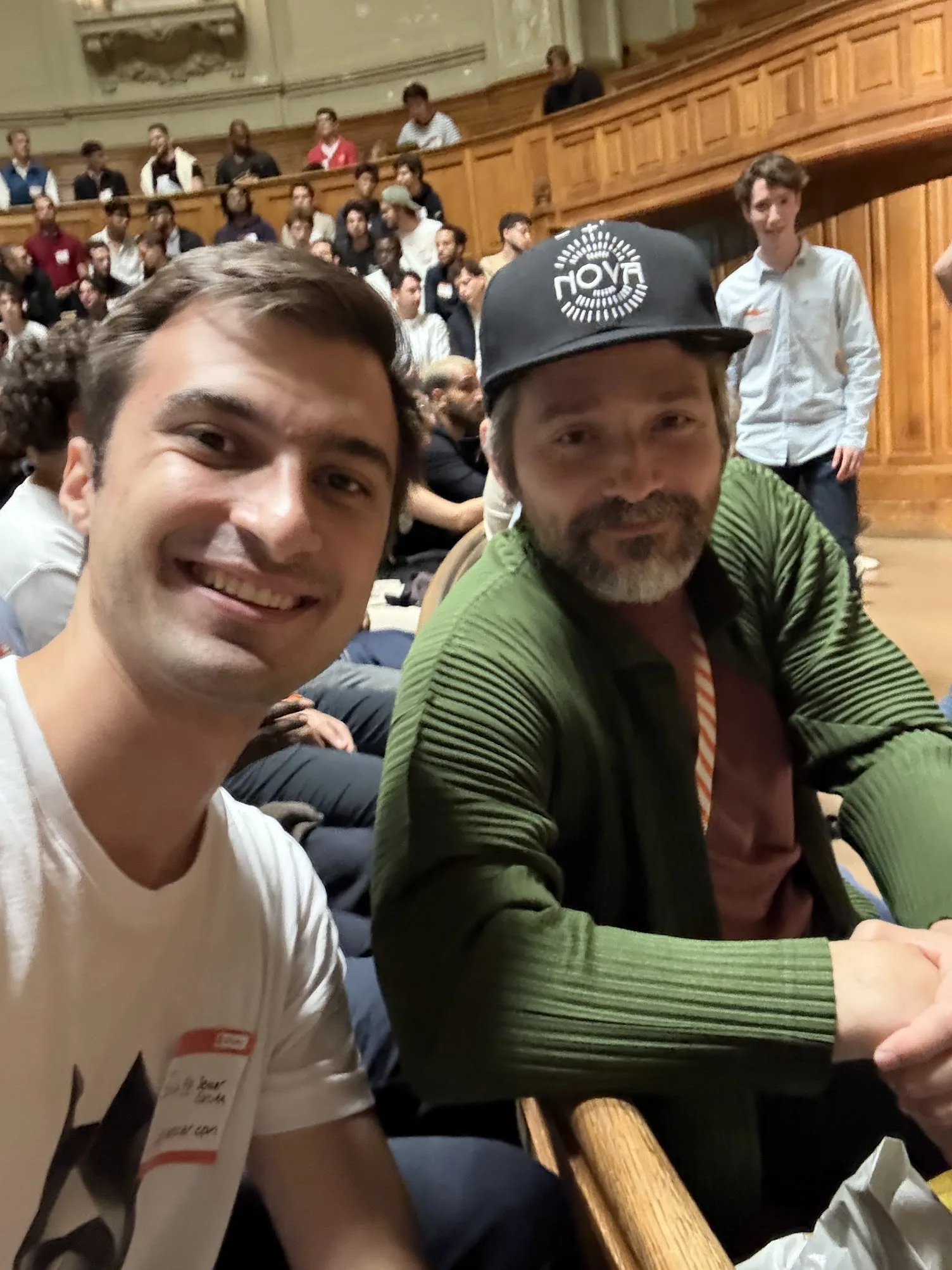
Distribution is the new bottleneck
As building gets easier, distribution gets harder, and it will be the key differentiator.
- AI SEO is already real: around 5% of Supabase’s traction comes from ChatGPT.
- A neat trick: test your product with an AI agent. If an agent can understand and use it, your UX is good, for agents and for humans, since agents are trained on human data. Do this before beta testing with real people.
- Social media and Hacker News likes are vanity; revenue is the real signal. That doesn’t mean social media is unimportant, but read the comments seriously and build accordingly, and optimize for revenue, not likes.
Customers, especially enterprise
- First customers are critical. Start with well-chosen friends and a few target companies. The start is hard, but it compounds exponentially.
- Building enterprise relationships takes a long time. Be patient.
- There is a lot of demoware out there that doesn’t actually work. The bar is being genuinely adopted by businesses.
- Everyone is rushing toward AI, but few have a real plan. Understand how adoption flows inside an organization and satisfy each step: CEO, then CTO, then developers.
External pressure and the daily grind
You need external pressure. YC’s Demo Day matters precisely because it creates a deadline; Supabase uses launch weeks the same way, to focus and motivate the team internally.
And whether you feel great or terrible: ship at least one small thing every day. Don’t stop. It keeps the startup alive. Startups are a grind machine: extremely difficult, but the daily shipping is what prevents you from dying.
A few more, rapid-fire
- Entrepreneur First is a good place to find co-founders.
- The meta-skill is learning something very fast and applying it immediately, like forward-deployed engineers do.
- While you’re young, make mistakes and learn from them. That’s the whole point.
- And, somewhat ironically for an event recap: don’t go to events. Your time is valuable, so if an event won’t clearly bring you something, skip it. (This one did.)
And then: the RAISE Summit
The YC event was really the warm-up act. The main reason I was in Paris was the RAISE Summit (July 8-9), held at the Carrousel du Louvre, which is about as dramatic a venue as a tech conference gets, glass pyramid and all.
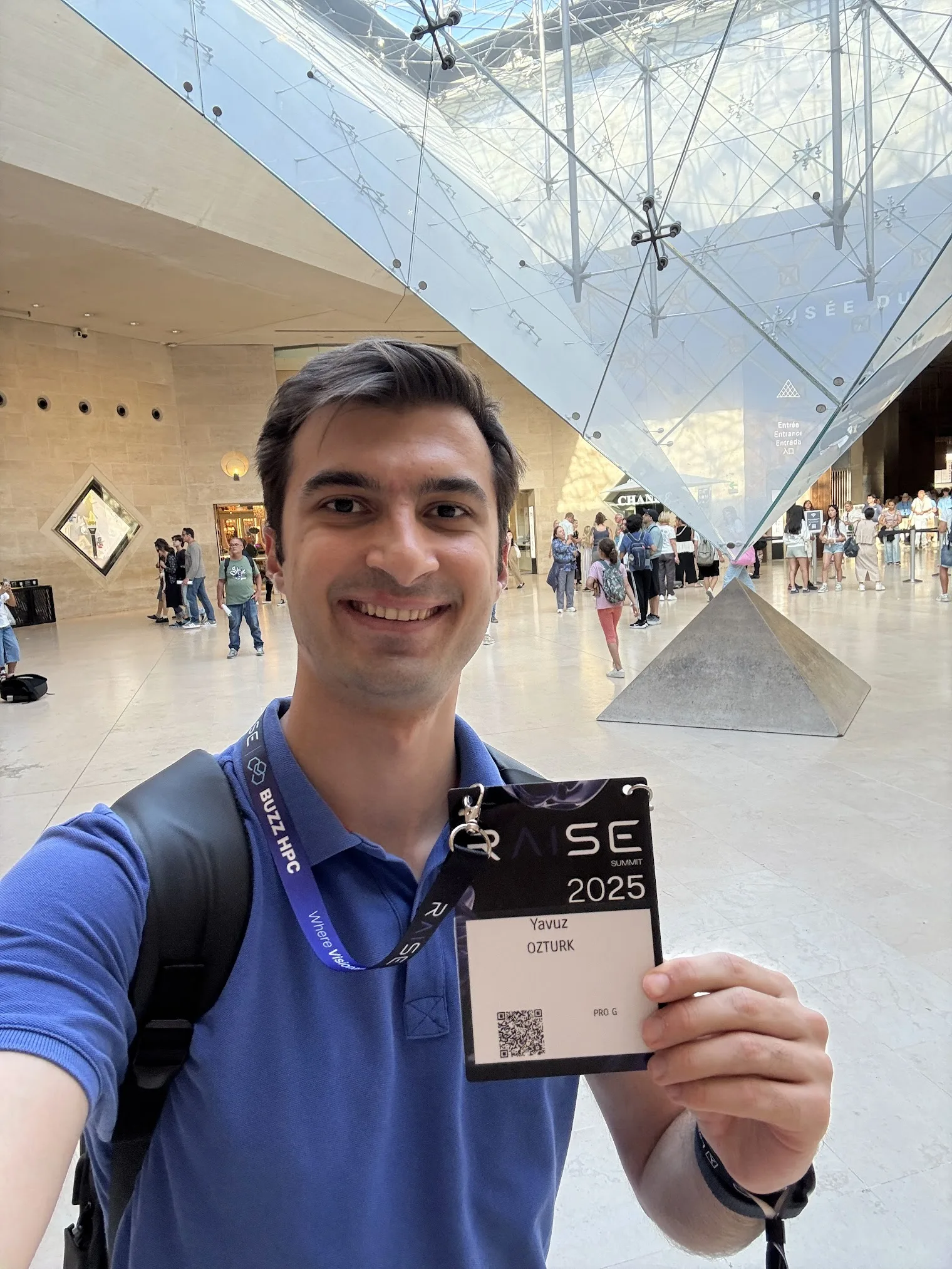
The speaker lineup was genuinely stacked: Jonathan Ross (Groq), Clément Delangue (Hugging Face), Lip-Bu Tan (Intel), Daniel Dines (UiPath), Benoit Dageville (Snowflake), and Scott Belsky (Adobe), with Anthropic and Sequoia all over the program too. I caught a good chunk of the main stage (and, true to form, kept coding through some of the talks).

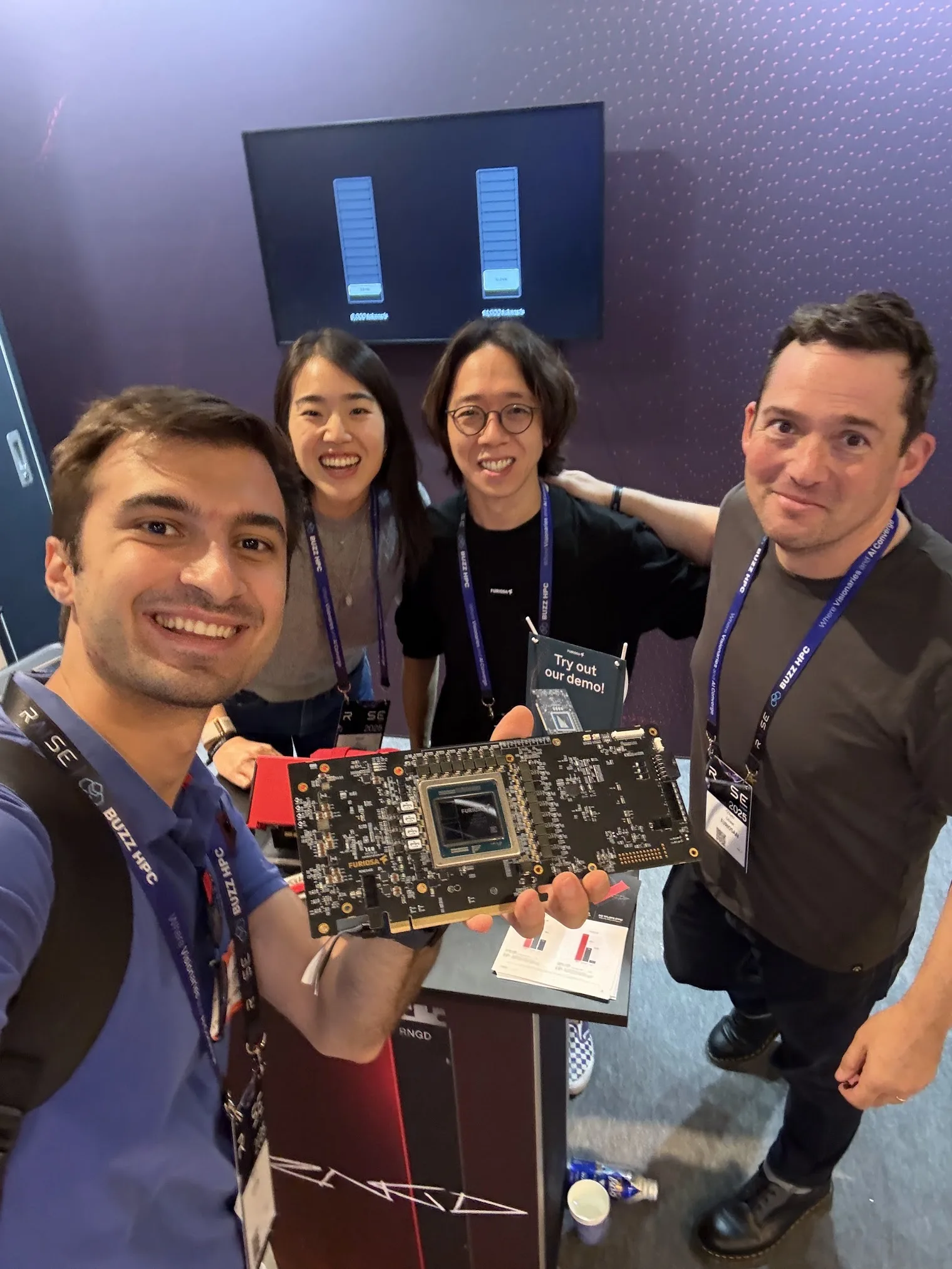
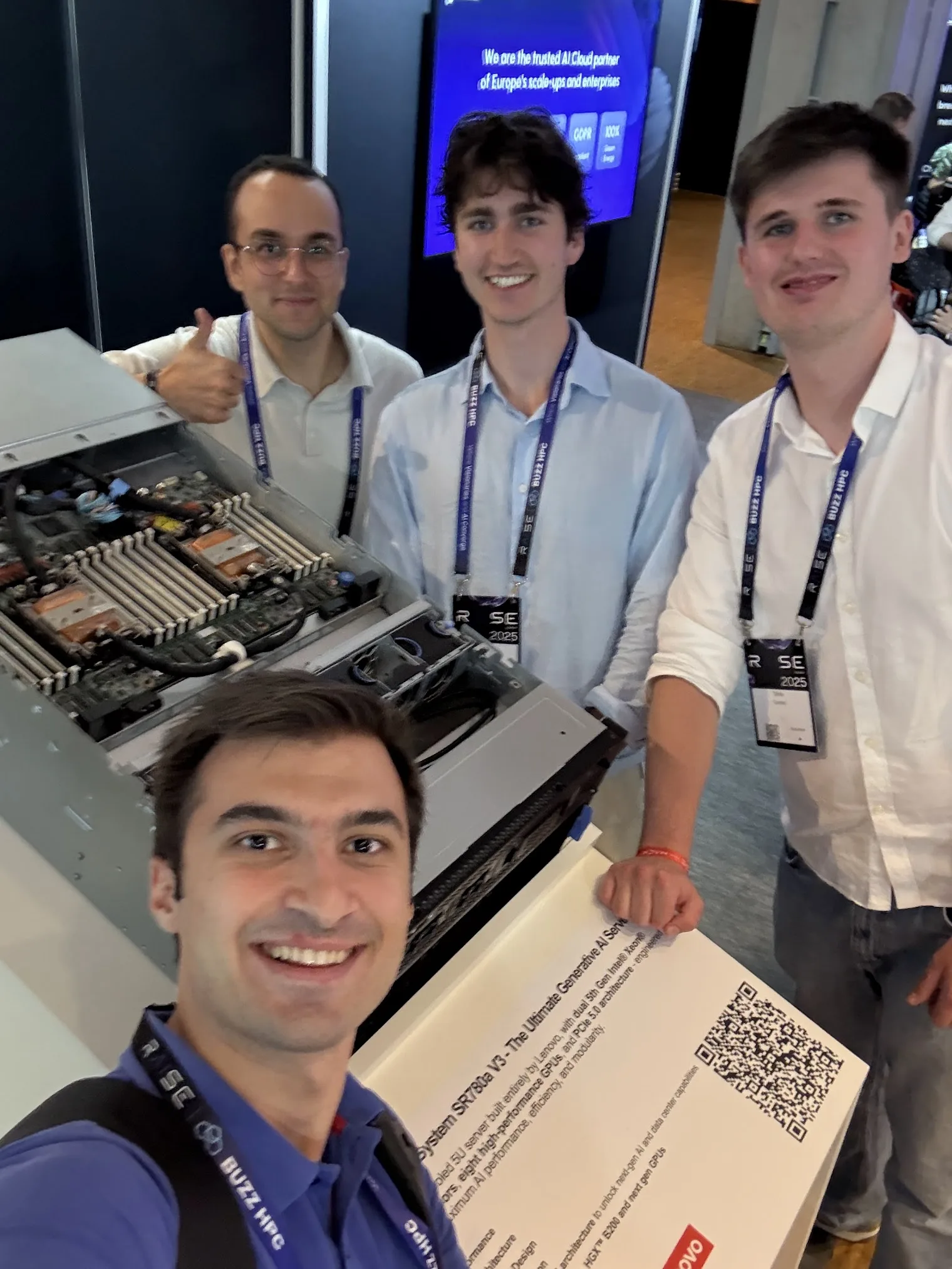
Honestly, though? The talks were the smaller part of it for me. I spent most of my time on the expo floor, talking to people and poking at hardware, getting hands-on with a Furiosa RNGD inference chip, geeking out over H100/B300 servers at the Lenovo and BUZZ HPC booths, and meeting a steady stream of founders, researchers, and infra folks. That networking was easily the highest-bandwidth part of the whole trip.
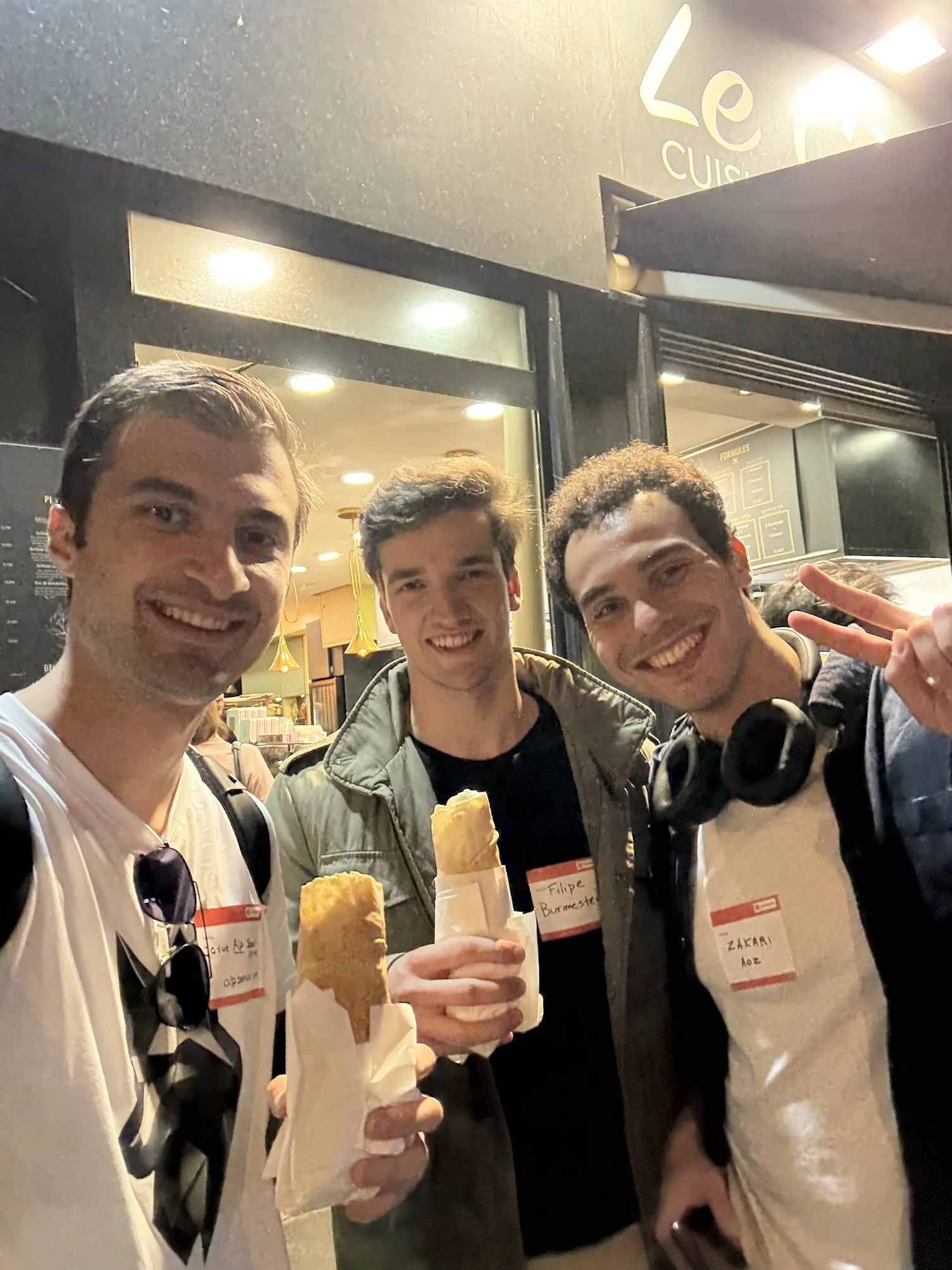
We also headed to a separate space for a long, dedicated networking session where I met a ton of founders, one of whom I stayed in touch with and who just recently got into YC.
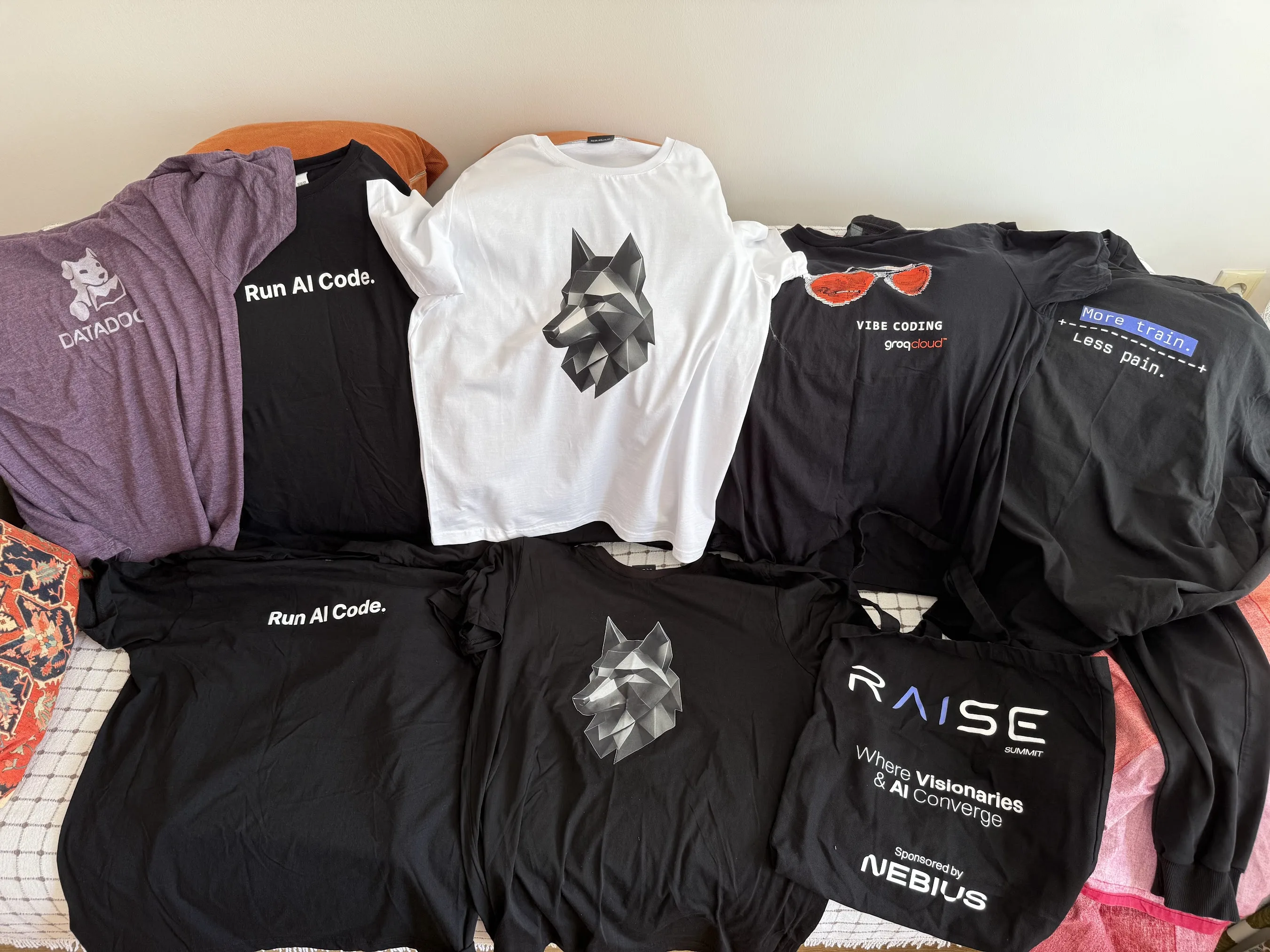
And the other unofficial KPI of any good conference: the merch haul. I came home with a respectable stack, Datadog, Groq, Lambda, Nebius, a couple of “Run AI Code” tees, and more. No regrets.
Enjoy Reading This Article?
Here are some more articles you might like to read next:
- Hosting Boris Cherny, Creator of Claude Code
- MenaML 2025 / Sponsored by Google DeepMind and QCRI
- Devin AI vs. Manus AI | My Take on Two Popular Autonomous Agents
- Last Invention: AGI | An Introductory Non-Technical Article
- Accepted to Notion AI Private Beta
- Tech Talks 4: Encoding Structured Data For LLMs, Neslihan Bulut
- Accepted to Devin AI Preview!
- Tech Talks 3: Yusuf Dalva, Bilkent CS Alumni, Virginia Tech Phd Student
- Introducing Bilkent GPT (Alpha)
- Bilkent AI Society and Sabancı kAI Collaboration Announcement